Cessna Nose Gear Strut Assembly: Front Landing Gear Maintenance Solution
Cessna Nose Gear Strut Assembly: Front Landing Gear Maintenance Solution
Blog Article
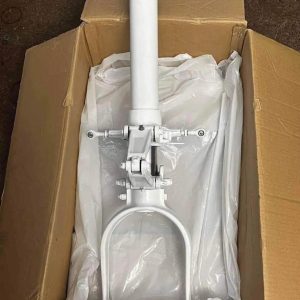
The Cessna Nose Gear Strut Assembly combines load support, controlled compression, wheel positioning, and steering-related functions within the aircraft’s complete landing-gear system.
The Cessna Nose Landing Gear Strut, Cessna Nose Gear Assembly, Cessna Landing Gear Strut, and Cessna Nose Strut descriptions identify closely related searches for the aircraft’s forward landing-gear structure.
The Aircraft Nose Gear Strut must maintain suitable alignment, movement, sealing, structural integrity, and connection with surrounding components.
A Cessna Nose Wheel Strut must maintain appropriate geometry and movement for predictable ground handling.
The Cessna Steering Strut Assembly, Cessna Replacement Nose Gear, and General Aviation Landing Gear Parts keywords describe commercially relevant searches for maintenance and restoration projects.
Reviewing the Cessna Front Gear Configuration
Complete identification gives technicians the information needed to evaluate suitability.
Informal descriptions such as complete or ready to install should be supported by an exact inventory.
Evaluating Landing Gear Structural Responsibilities
During taxiing, braking, turning, landing rollout, towing, and movement across surface irregularities, the assembly can experience vertical, lateral, and torsional forces.
Professional structural review protects the aircraft and the Replacement Nose Gear installation.
Shock Absorption and Strut Compression
Proper operation depends on correct servicing, internal condition, seal integrity, surface finish, alignment, and absence of contamination.
Servicing values should come from applicable maintenance information rather than estimates based on another Cessna model.
Maintaining Predictable Taxi Control
Each component should move smoothly and remain free from excessive play, binding, distortion, corrosion, and unsuitable modification.
Excessive turning can damage linkage, hoses, fairings, fork components, or internal strut features depending on the design.
Selecting the Correct Replacement Nose Gear
Two aircraft with similar outward appearance may use different struts, forks, cylinders, steering features, hardware, or mounting arrangements.
The complete receiving-aircraft configuration should be reviewed before purchase.
Protecting Smooth Strut Operation
The strut cylinder and piston surfaces should be examined for scoring, corrosion, pitting, scratches, impact marks, discoloration, and evidence of improper tool use.
Qualified inspection protects the long-term value of the Cessna Landing Gear Strut.
Evaluating Hydraulic Fluid Loss
Fluid leakage around the piston, seals, fittings, plugs, or servicing points can indicate deteriorated seals, damaged surfaces, loose components, contamination, or incorrect assembly.
Incorrect seal material, damaged installation tools, contaminated fluid, or improper assembly can lead to early failure.
Maintaining Protective Finishes
Corrosion may develop on external surfaces, inside bores, around fasteners, beneath paint, near mounting points, or within neglected fluid areas.
Protective coatings should be checked for chips, lifting, abrasion, bubbling, poor adhesion, and incompatible refinishing.
Checking for Hard-Landing or Towing Damage
Some defects may be difficult to identify without cleaning, magnification, dimensional comparison, or suitable nondestructive inspection.
The seller should disclose the donor aircraft’s removal reason and known incident history.
Understanding Included Landing Gear Components
A complete strut listing should state whether the fork, axle, spacers, wheel, bearings, tire, and hardware are included.
Incorrect wheel spacing or fork alignment can create uneven loading and interference.
Torque Links, Bushings, and Pivot Points
Bushings, bolts, washers, bearings, and attachment holes should be inspected for wear, elongation, corrosion, looseness, and inadequate lubrication.
System-level maintenance protects the Aircraft Nose Landing Gear Assembly.
Evaluating Wheel Alignment and Steering Play
Accurate diagnosis reduces unnecessary parts replacement.
A new tire can mask but not correct underlying geometry problems.
Avoiding Incorrect Landing Gear Servicing
Incorrect fluid, contamination, trapped air, overpressure, or underpressure can affect extension, damping, leakage, ground clearance, and structural loading.
Pressurized components require suitable precautions because uncontrolled release can cause injury or damage.
Documenting Landing Gear Repair Work
The exact scope should be defined in the work records rather than assumed from the word overhauled.
Some components may be repairable while others require replacement.
Aircraft Nose Gear Buying Guide
A pre-purchase review should confirm the exact part number, configuration, aircraft applicability, serial markings, dimensions, included components, removal reason, condition, repair history, and documentation.
- Determine whether the wheel, tire, bearings, spacers, steering links, hardware, servicing fittings, records, and release documents are included.
- Review the history for hard landings, runway excursions, towing incidents, shimmy, tire failure, overload, storage exposure, freight damage, and structural repair.
- Retain purchase records, photographs, measurements, inspection reports, maintenance documents, release paperwork, and freight records with the aircraft project file.
Protecting the Landing Gear Strut in Transit
Professional packaging helps preserve the condition of the Aircraft Nose Gear Strut.
Careful freight preparation reduces damage to the Cessna Landing Gear Assembly.
Maintaining Landing Gear Identification
The assembly should not rest directly on delicate fittings, the axle threads, polished surfaces, or unstable supports.
Organized storage supports the commercial value of General Aviation Landing Gear Parts.
Professional Installation of the Nose Gear Strut
The technician should verify the part number, aircraft applicability, mounting points, dimensions, hardware, steering links, torque components, wheel fork, axle, and servicing requirements.
Disciplined workmanship supports reliable Cessna Front Landing Gear Assembly operation.
Any abnormal indication should receive prompt evaluation before further operation.
Routine Inspection and Preventive Maintenance
Small leaks, corrosion, looseness, tire wear, damaged coatings, unusual noise, or shimmy should receive timely attention.
Maintenance records should identify findings, measurements, servicing, parts replaced, repairs, dates, and personnel involved.
Commercial Value of a Cessna Nose Gear Assembly
A recent professional inspection or overhaul can here add value when the scope, findings, measurements, and replaced parts are documented accurately.
Total project cost may include the purchase price, freight, inspection, seals, bushings, bearings, hardware, wheel or tire components, overhaul labor, servicing, alignment, installation, and documentation.
Cessna Nose Gear Assembly Conclusion
When thoroughly evaluated and correctly installed, the Cessna Nose Gear Strut Assembly can become a valuable component within the aircraft’s complete landing-gear system.
Buyers should request current photographs, accurate measurements, transparent condition information, professional inspection details, protected freight arrangements, secure transaction terms, and qualified maintenance review.
Whether the assembly is purchased for maintenance, overhaul, restoration, spare inventory, resale, or an aircraft project, transparent information and qualified oversight provide the strongest foundation.
With responsible purchasing, crack and corrosion inspection, seal evaluation, correct hardware, controlled servicing, and ground-handling checks, the component can remain a valuable aviation asset.
Report this page